
The most healing environments in the world weren't built by doctors.
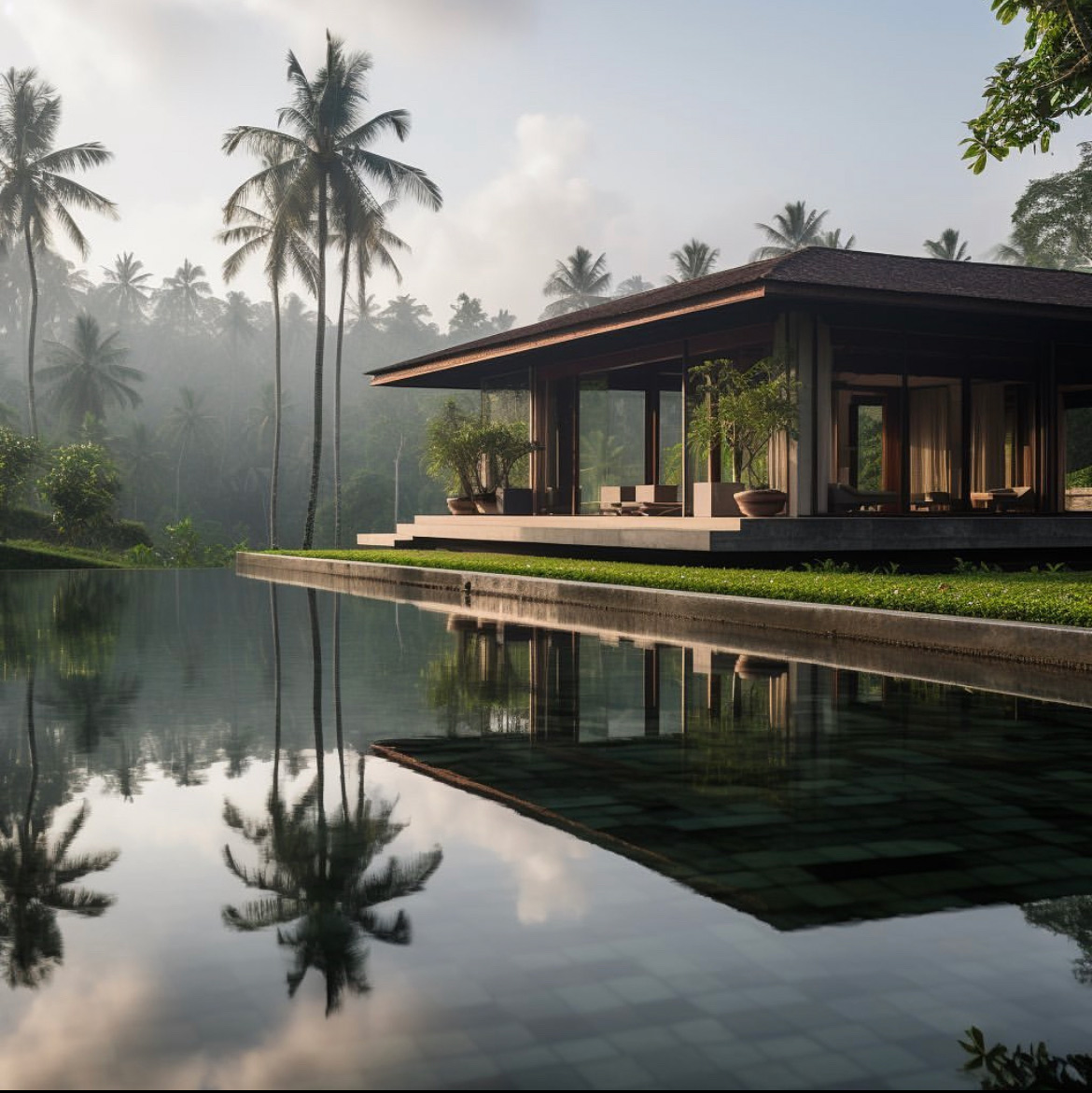
There’s a moment that happens in a well-run hotel. You walk into your room, the temperature is perfect, the light is soft, and something in your body just… exhales. You didn’t make a decision to relax. The environment made it for you.
That’s not a coincidence. It’s design. And it might be the most underrated model for how we think about human health.
For decades, healthcare has been built around the idea of intervention – you get sick, you go somewhere clinical, someone fixes you. The environment was almost an afterthought. Bright lights. Hard floors. The hum of machines. A place you endured, not a place that supported you.
Hospitality took a different path. It asked a different question: what does a person need to feel whole?
“The best hotels have always understood something that medicine is only beginning to catch up to – that how a space makes you feel is part of the outcome.”
Environment is medicine
Natural light, quiet, clean air, proximity to nature, intentional temperature, the quality of a mattress – these aren’t luxury add-ons. They are physiological inputs. They affect cortisol, sleep architecture, nervous system tone, digestion, and mood. The hospitality industry has been optimising for these variables for over a century, not because they studied biology, but because they listened to how people responded.
Healthcare is now beginning to apply the same logic. Biophilic design in hospitals. Single-patient rooms. Circadian lighting systems. Spaces built to lower anxiety before a procedure even begins. The language is new. The principles are not.
Service as a healing act
There’s something else hospitality understood early: that being genuinely attended to has its own therapeutic value. Being seen, anticipated, made comfortable – these are not superficial experiences. They activate the same parasympathetic pathways as meditation. They tell the nervous system it is safe.
When a person feels cared for – truly, unhurriedly cared for – their capacity to heal improves. This isn’t soft science. It shows up in recovery rates, in pain perception, in how people describe their own wellbeing after an experience.
The model worth borrowing
The future of wellness won’t live entirely in clinics. It will live in environments – retreats, programmes, spaces – that borrow from both worlds. The rigour of health science. The craft of hospitality. The result is something most people have never been offered: a context in which the whole person is considered, not just the symptom.
We are just beginning to understand what it looks like when these two industries stop operating in silos. The early signals are extraordinary.